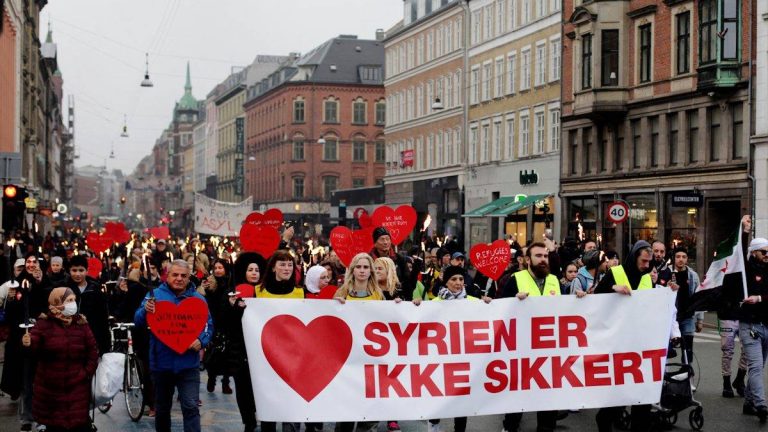
Denmark is renowned for its robust social welfare system, high quality of life, and progressive policies. However, despite these advantages, the country faces several pressing challenges in areas such as housing, mental health, leader rights, and integration policy. This article explores these challenges in detail, examining their implications and potential solutions.
Housing Crisis
Denmark’s housing market is experiencing significant stress, particularly in urban areas. The demand for housing in cities like Copenhagen and Aarhus far exceeds supply, driving up property prices and rents. This affordability crisis is compounded by stringent regulations and a slow pace of new construction, making it difficult for many, especially young people and low-income families, to find affordable housing.
One contributing factor is the influx of people moving to urban centers for better employment opportunities and lifestyle amenities. This urban migration has led to overcrowded cities, putting immense pressure on the housing market. Additionally, the scarcity of affordable housing options forces many into substandard living conditions or long commutes from suburban or rural areas.
To address these issues, policymakers need to focus on increasing the supply of affordable housing through incentives for developers, streamlined building regulations, and innovative housing solutions like co-living spaces. Expanding public housing and improving rental regulations could also provide relief to those most affected by the housing crisis.
Mental Health Challenges
Mental health is a growing concern in Denmark, with rising rates of depression, anxiety, and other mental health disorders. The country’s healthcare system, while comprehensive, is struggling to meet the increasing demand for mental health services. Long waiting times for treatment and a shortage of mental health professionals exacerbate the situation, leaving many without the timely care they need.
Stigma surrounding mental health issues further complicates the problem, discouraging individuals from seeking help. Efforts to promote mental health awareness and reduce stigma are crucial, alongside expanding access to mental health services. Integrating mental health care into primary health care and increasing funding for mental health initiatives could help address these challenges.
Leader Rights
Leader rights, encompassing both labor rights and human rights for leaders in various sectors, face several hurdles in Denmark. Union leaders, activists, and community leaders often encounter resistance and sometimes threats when advocating for change or challenging established norms. This resistance can come from both private sector entities and, occasionally, governmental bodies.
Ensuring the protection of leader rights requires robust legal frameworks and supportive policies that safeguard the rights of individuals to organize, advocate, and lead without fear of retribution. Strengthening labor laws, enhancing protections for whistleblowers, and fostering a culture of open dialogue and respect for diverse viewpoints are essential steps in this direction.
Integration Policy
Denmark’s integration policy, particularly concerning immigrants and refugees, is a topic of ongoing debate and challenge. While the country has made efforts to integrate newcomers into Danish society, significant barriers remain. Language proficiency, cultural differences, and discrimination are some of the key obstacles that hinder effective integration.
The Danish government’s approach has included language courses, employment programs, and cultural orientation sessions to help immigrants adapt. However, these measures are often seen as insufficient, with many immigrants facing difficulties in finding employment that matches their qualifications and in gaining social acceptance.
A more holistic integration policy is needed, one that not only focuses on the newcomers’ responsibilities but also on the host society’s role in facilitating integration. This could involve enhancing community-based integration programs, fostering intercultural dialogue, and implementing anti-discrimination measures more rigorously.
Conclusion
Denmark’s challenges in housing, mental health, leader rights, and integration policy are multifaceted and require comprehensive solutions. Addressing the housing crisis necessitates increasing the supply of affordable housing and revising regulatory frameworks. Mental health challenges call for greater awareness, increased funding, and integration of services. Protecting leader rights involves strengthening legal protections and fostering a culture of respect and dialogue. Finally, effective integration policy must be holistic and inclusive, supporting both immigrants and the host society.
By tackling these challenges head-on with innovative and inclusive strategies, Denmark can continue to uphold its values of equality, welfare, and social justice, ensuring a better future for all its residents.
