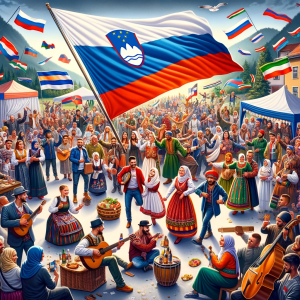
Slovenia’s Integration Framework
In Slovenia, integration is a key component of the national migration strategy. Without a specific integration law, Slovenia relies on a combination of existing laws to provide a functional framework for integrating migrants and refugees. The country’s Strategy on Migration, adopted in July 2019, identifies integration as one of its six core pillars.
In May 2017, Slovenia established the Office for the Support and Integration of Migrants, responsible for overseeing the reception and integration of refugees. This office coordinates the efforts of state bodies, NGOs, and international organizations in integration-related activities. Additionally, the Council for the Integration of Foreigners serves as a national consultative body, offering recommendations on national programs related to migrant integration.
Language and Cultural Integration
Recognizing the importance of language and cultural understanding, Slovenia offers language courses and cultural orientation programs to migrants. These programs, often run by language schools, community centers, or government agencies, are designed to help migrants familiarize themselves with Slovenian customs, traditions, and social norms. Additionally, some migrants may attend broader integration courses covering legal, social, and educational systems in Slovenia.
Employment and Housing Opportunities
Migrants and refugees looking to work in Slovenia typically need work permits, with the issuance depending on their status, qualifications, and labor market needs. Recognizing foreign qualifications is crucial for those seeking employment in specialized fields. Diversity and inclusion initiatives by employers also contribute to creating more inclusive workplaces.
Housing for asylum seekers is provided in reception centers, offering temporary accommodation and basic amenities. For those who receive legal status or are in the process of integration, Slovenia has housing programs, including subsidized housing options and rental assistance.
Social Support and Anti-Discrimination Measures
Social support programs in Slovenia include employment-related assistance, vocational training, and access to welfare benefits. Psychosocial support services address the emotional and psychological challenges faced by migrants and refugees. Legal aid is also provided to help navigate the legal system. NGOs play a vital role in offering counseling, language assistance, and community-building activities.
To combat discrimination, Slovenia has enacted laws, including the Protection Against Discrimination Act of 2016, and established the Human Rights Ombudsman institution. These mechanisms work together to promote equal treatment and address discriminatory practices.
Conclusion
Slovenia’s approach to integrating migrants and refugees is comprehensive, encompassing language and cultural integration, employment opportunities, housing, social support, and anti-discrimination efforts. This multifaceted strategy not only aids in the smooth transition of migrants and refugees but also enriches Slovenian society through the promotion of diversity and inclusion.
