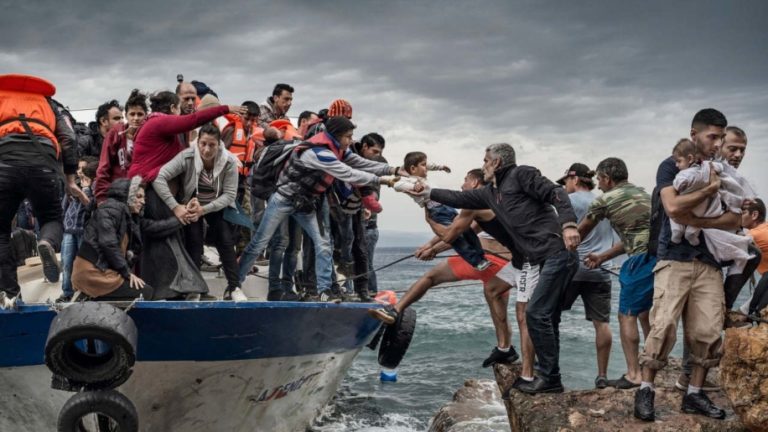
Italy has long been a gateway for migration, given its geographical position and historical connections with various regions of the world. Over the decades, Italy has developed a legal framework that provides asylum seekers, refugees, and migrants with rights to residency and work permits. The country also offers language courses, job training, and cultural orientation programs aimed at fostering integration. Additionally, local communities and NGOs play a vital role in assisting migrants with legal aid, housing, and social services. However, despite these efforts, the reality of migrant integration in Italy is far from ideal. Structural barriers, bureaucratic inefficiencies, social discrimination, and a lack of cohesive policies continue to hinder effective integration, leaving many migrants struggling to establish stable lives.
The Reality of the Legal Framework: Rights on Paper, but Barriers in Practice
Italy’s legal framework does recognize the rights of migrants, but in practice, legal processes are often slow, complex, and inconsistent. Asylum seekers face long waiting periods, sometimes years, before receiving a final decision on their status. During this time, many live in uncertain and precarious conditions, unable to work legally or access stable housing. Additionally, recent legal changes, such as the 2017 security decree, have restricted certain rights for migrants, limiting their ability to access residency and social benefits.
The work permit system also presents challenges. Many migrants struggle with bureaucratic delays, which prevent them from obtaining the necessary documents to work legally. This forces many into the informal labor market, where they are vulnerable to exploitation, low wages, and unsafe working conditions. Sectors such as agriculture, domestic work, and construction heavily rely on migrant labor, yet many of these workers lack basic protections.
Language and Job Training: Access Remains Unequal
While language courses and job training programs exist, access to them remains limited. Many migrants, especially asylum seekers, struggle to find available courses, face long waiting lists, or lack financial support to attend. Without proficiency in Italian, their opportunities for employment and social participation remain restricted.
Even for those who complete language and vocational training, employment opportunities remain scarce. Many highly skilled migrants find themselves unable to work in their trained professions due to non-recognition of foreign qualifications. As a result, doctors, engineers, and academics from other countries often end up in low-wage jobs or the informal economy, unable to fully contribute their skills to Italian society.
Housing Crisis: A Major Obstacle for Migrants
Finding affordable and stable housing is one of the biggest challenges for migrants in Italy. Many landlords refuse to rent to foreigners, either due to discrimination or because of bureaucratic requirements that make it difficult for migrants to provide the necessary documents. This often pushes migrants into overcrowded and unsafe housing conditions, sometimes in segregated communities with limited access to services.
In major cities such as Rome, Milan, and Naples, migrants face additional challenges due to rising rents and a lack of social housing. The government provides temporary accommodation for asylum seekers and refugees, but these facilities are often overcrowded, underfunded, and poorly managed. Once a migrant leaves these centers, they are often left to navigate the housing market with little to no support, leading to further instability.
Discrimination and Social Exclusion: A Persistent Problem
Despite efforts by NGOs and local communities to promote social inclusion, xenophobia and discrimination remain significant issues in Italy. Migrants, especially those from Africa, the Middle East, and South Asia, frequently experience racism in employment, housing, and daily life. In many cases, policies and political rhetoric fuel negative perceptions of migrants, making integration even more difficult.
Many Italians view migrants as a burden rather than as contributors to society. Negative media portrayals and political debates often reinforce this perception, leading to increased hostility toward migrant communities. As a result, migrants often struggle to build social networks and feel truly accepted in Italian society.
The Role of NGOs and Civil Society: Filling the Gaps Left by the Government
While the Italian government has implemented some integration measures, much of the practical support for migrants comes from non-governmental organizations (NGOs) and local community groups. Organizations such as Caritas, the Red Cross, and migrant advocacy groups provide legal aid, language classes, job training, and emergency shelter. However, these organizations often lack sufficient funding and resources to meet the growing demand for their services.
Additionally, government-NGO cooperation is inconsistent, leading to gaps in service delivery and long-term support. Many programs operate on a short-term basis, leaving migrants without continuous assistance once initial funding expires.
What Needs to Change? Steps Toward Better Integration
To truly improve migrant integration in Italy, several key reforms are necessary:
- Streamlining Legal Processes – Reducing the waiting times for asylum applications, work permits, and residency requests is crucial to preventing instability and exploitation.
- Expanding Access to Language and Job Training Programs – Free and widely available Italian language courses should be accessible to all migrants, and vocational training should be aligned with market needs to improve employment prospects.
- Addressing the Housing Crisis – Policies should be introduced to combat discrimination in the housing market, increase social housing options, and provide rental assistance for newly arrived migrants.
- Strengthening Anti-Discrimination Laws – More robust policies should be implemented to address workplace discrimination, racial profiling, and social exclusion.
- Enhancing Collaboration Between the Government and NGOs – The government should provide consistent funding and support to organizations working on migrant integration to ensure long-term, sustainable assistance.
Italy has made progress in providing legal protections, integration programs, and social services for migrants, but major challenges remain. Bureaucratic delays, discrimination, limited access to education and jobs, and a severe housing crisis continue to hinder the successful integration of migrants into Italian society. Without stronger policies, better government support, and a shift in public attitudes, the situation will remain far from good.
If Italy wants to truly live up to its tradition of welcoming migrants, it must go beyond symbolic efforts and take real, effective actions to create a more inclusive and fair society for all.
MR
