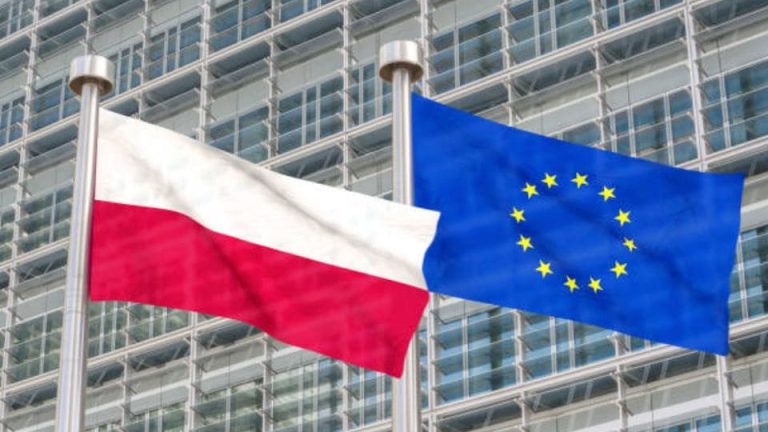
Poland has increasingly become a destination for migrants, particularly in recent years, due to various economic and geopolitical factors. While there have been significant efforts to establish reception centers, provide legal assistance, and offer integration programs, the reality remains far from ideal. The challenges migrants face in Poland are considerable, and despite ongoing initiatives, there is still much to improve in ensuring a truly inclusive and effective integration process.
Challenges in Migrant Reception and Legal Support
Migrants arriving in Poland go through initial reception centers, where they receive basic necessities and legal assistance. While these centers provide essential support, they often struggle with overcrowding, insufficient funding, and slow bureaucratic procedures. The legal processes meant to document migrants and ensure lawful residence can be lengthy and complex, leaving many in limbo without clear status for months or even years. The lack of legal aid accessibility further exacerbates the issue, as many migrants are left to navigate a difficult system without proper guidance.
Language Barriers and Cultural Adjustment
One of the key elements of Poland’s integration programs is language training, aimed at helping migrants learn Polish and better understand the country’s culture. However, access to these programs is limited, particularly for those who are not part of officially recognized refugee resettlement schemes. Many migrants are left without sufficient language skills, making it difficult to secure employment, access healthcare, or integrate into society. Additionally, cultural adaptation programs are not widespread or well-funded, leaving many struggling to feel a sense of belonging.
Employment Struggles and Workforce Challenges
Migrants are encouraged to enter the workforce, and Poland does provide job training and placement services, yet significant barriers remain. Many migrants face discrimination, lack of recognition for their qualifications, and exploitative work conditions, especially in low-wage sectors such as agriculture, construction, and domestic work. The bureaucratic hurdles surrounding work permits and legal employment further complicate matters, leaving many migrants in precarious situations, unable to find stable, fair employment.
Education Gaps and Barriers for Migrant Children
Ensuring education for migrant children and adults is another priority for integration, but the reality is often challenging. Many migrant children struggle to adapt due to language barriers, lack of tailored support, and difficulties in accessing quality education. Schools are not always well-equipped to handle diverse classrooms, and teachers often lack training in multicultural education and inclusion strategies. The Polish education system has made steps toward improvement, but significant disparities remain, particularly for children arriving with interrupted education or trauma from displacement.
Social Inclusion and Discrimination
While Poland aims to enhance community engagement to support integration, social inclusion remains one of the most difficult challenges. Migrants frequently face xenophobia, racial discrimination, and exclusion, particularly in smaller towns and rural areas where diversity is less common. Many migrants struggle to build social networks and experience isolation, making it harder for them to fully integrate into society. There is a lack of national campaigns to promote tolerance and acceptance, which means that negative stereotypes and misinformation about migrants persist.
The Need for Stronger Policies and Community Support
Although Poland has plans to improve migrant integration, much remains to be done. Policy changes are needed to streamline legal processes, provide greater access to language and job training programs, and increase support for migrant children in schools. Additionally, Poland must invest in anti-discrimination initiatives and encourage community-building efforts to foster social cohesion. The role of NGOs and civil society remains crucial in filling the gaps left by governmental programs, but long-term, structural changes are necessary for sustainable integration.
Poland has made some progress in managing migration, but the system is far from sufficient to ensure meaningful, long-term integration. Overcrowded reception centers, slow legal processes, discrimination in employment, education gaps, and social exclusion all remain pressing issues. If Poland truly aims to create a cohesive and inclusive society, significant improvements are required. More resources, better policies, and stronger social support networks are needed to make integration not just a possibility but a reality for the thousands of migrants seeking a new life in Poland.
MR
