
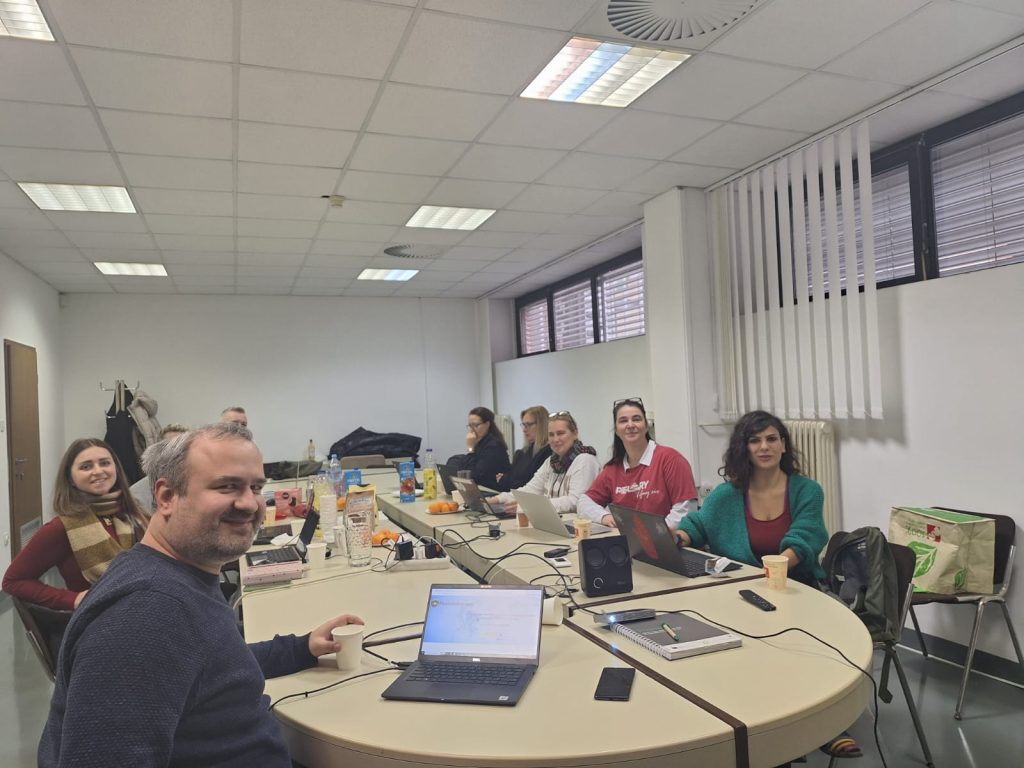
In June 2023, Slovenia played host to a pioneering dissemination activity aimed at enhancing the mentorship of migrants through innovative and empathetic methods. This event, part of a broader European initiative, sought to refine and share the practices and learnings from recent workshops focused on mentorship. Central to the discussions were the nuanced dynamics of non-verbal communication and the universal language of music, elements that have proven pivotal in fostering deeper connections between mentors and migrants. Here, we delve into the experiences, reflections, and constructive critiques that emerged from this significant gathering.
Embracing Non-Verbal Cues for Deeper Emotional Connection
Slovenian mentors highlighted the impactful role of non-verbal communication in building rapport and understanding with migrants. One mentor shared a particularly moving experience, stating, “While using the non-verbal storytelling technique, I found it especially touching when my migrant mentee conveyed his journey to Slovenia through a series of drawings. It gave me a clear picture of his past, his resilience, and his hopes.” This sentiment underscores the profound capacity of non-verbal methods to transcend language barriers, allowing for emotional connections that words alone may not facilitate.
The Universal Appeal of Music and Emotion
Another aspect that resonated strongly with the participants was the integration of music into the mentoring process. Slovenia, with its rich musical heritage, provided an apt backdrop for activities that combined music and emotion. Mentors and mentees alike found common ground in this universal language, which served not just as a medium of expression but also as a bridge between diverse cultures and experiences.
Navigating Challenges and Seeking Deeper Cultural Integration
Despite the positive outcomes, the activity also surfaced areas for improvement. Some mentors expressed a desire for a more nuanced exploration of Slovenia’s unique cultural aspects within the workshops. “Some Slovenian participants felt the workshop could have delved deeper into the specific cultural nuances unique to Slovenia, ensuring a more tailored approach,” was a feedback point that highlighted the need for customization to enrich the mentorship experience further.
Additionally, the challenge of addressing sensitive anniversaries and personal milestones of migrants came to light. One mentor recounted, “Despite our best efforts, there were moments of frustration. One day, he seemed distant, and it took a while to understand it was the anniversary of his departure from his homeland.” This reflection emphasizes the importance of sensitivity and awareness in mentor-mentee interactions, underscoring the need for mentors to be attuned to the emotional undercurrents that shape their mentees’ responses and engagement levels.
Forward Steps: Enhancing Engagement and Cultural Specificity
The feedback from the Slovenian dissemination activity points toward constructive pathways for enhancing the mentorship program. A more structured approach to reflection activities could improve engagement, ensuring that participants remain connected and invested throughout the process. Furthermore, incorporating specific cultural nuances and historical contexts into the program’s fabric could provide mentors and mentees with a more relatable and enriching experience.
As Slovenia continues to refine its mentorship practices, the lessons drawn from this dissemination activity will undoubtedly play a crucial role in shaping future initiatives. By addressing the highlighted challenges and capitalizing on the identified good practices, Slovenia is well-positioned to lead by example in the art of mentorship, making every interaction a step towards mutual understanding and profound connection.
In conclusion, the dissemination activity in Slovenia has not only showcased the impact of non-verbal communication and the power of music in bridging divides but also illuminated the path forward for a more nuanced, culturally sensitive approach to mentoring migrants. As we move forward, these insights will serve as valuable guideposts for enhancing the mentorship landscape, fostering a community where every individual, regardless of their background, feels understood, valued, and connected.
