
In May 2023, Malta hosted an enlightening dissemination activity aimed at reflecting on and sharing the outcomes of innovative mentorship practices. This gathering brought together mentors from various backgrounds to discuss the successes and challenges they encountered while working with migrants. The focus was particularly on non-verbal storytelling, the use of digital tools to overcome language barriers, and the meaningful closure of activities through personal commitment cards.
Empathy Through Non-Verbal Storytelling
One of the standout practices shared during the activity was the non-verbal storytelling technique. A Lithuanian mentor in attendance underscored its significance, noting, “Lithuanian mentors found value in the non-verbal storytelling activity, emphasizing the importance of listening with empathy.” This method proved instrumental in allowing mentors to delve deeper into the migrants’ experiences, fostering a greater understanding and connection without the need for spoken words.
Innovative Communication Through Digital Apps
A Maltese mentor shared a particularly innovative approach to overcoming language barriers: the use of digital applications. “We took to digital apps to bridge our language gap. Over time, we had our unique code, a blend of emojis, words, and gestures, which became our secret language,” they recounted. This creative solution not only facilitated communication but also built a unique bond between the mentor and mentee, highlighting the potential of technology in bridging gaps between diverse cultures.
The Power of Personal Commitment Cards
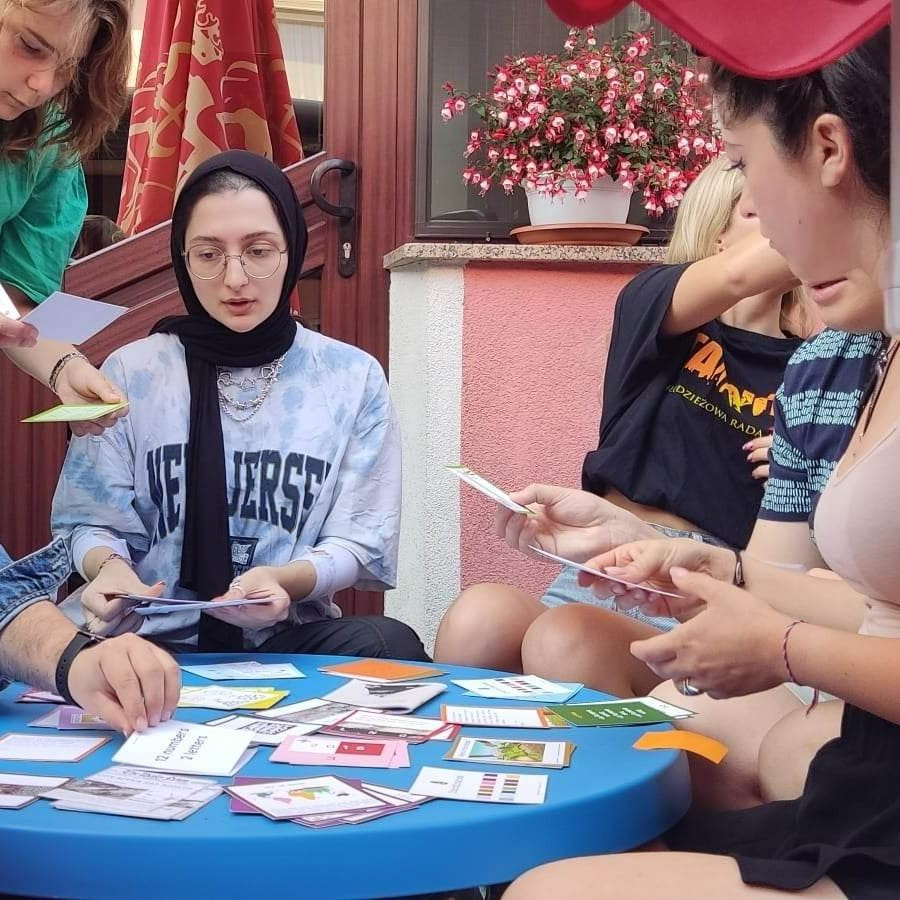
The workshop’s conclusion with personal commitment cards was lauded as a powerful tool for reinforcement and reflection. This practice allowed participants to solidify their learnings and intentions in a tangible form, serving as a reminder of their dedication to improving their mentorship practices and understanding of migrants’ needs.
Addressing Challenges and Cultural Sensitivities
Despite the positive feedback, participants also identified areas for improvement. Lithuanian mentors suggested incorporating more real-life testimonials from migrants to provide a clearer understanding of their challenges. Additionally, the initial icebreaker activity was mentioned as needing adjustments to better align with Lithuanian cultural sensitivities, underscoring the importance of tailoring activities to respect and reflect diverse backgrounds.
Navigating Unspoken Traumas
A challenge highlighted by a Maltese mentor involved an encounter at a local museum that disturbed their mentee, revealing the unspoken traumas carried by many migrants. “Visiting a local museum, he seemed disturbed by certain exhibits. We later discussed the triggers, but it was a reminder of the unspoken traumas many migrants carry.” This experience underscored the need for sensitivity and awareness of the complex histories and emotions that migrants bring to their new environments.
Conclusion
The dissemination activity in Malta served as a valuable platform for sharing experiences, practices, and insights into the mentorship of migrants. By focusing on empathy, innovative communication, and personal commitment, mentors are better equipped to support their mentees through their integration journeys. However, the feedback also highlighted the necessity of continually adapting practices to meet the diverse needs of migrants, ensuring that mentorship activities are both effective and culturally sensitive. As mentors and mentees navigate their paths forward, the lessons shared in Malta will undoubtedly contribute to more meaningful and impactful mentorship experiences.
