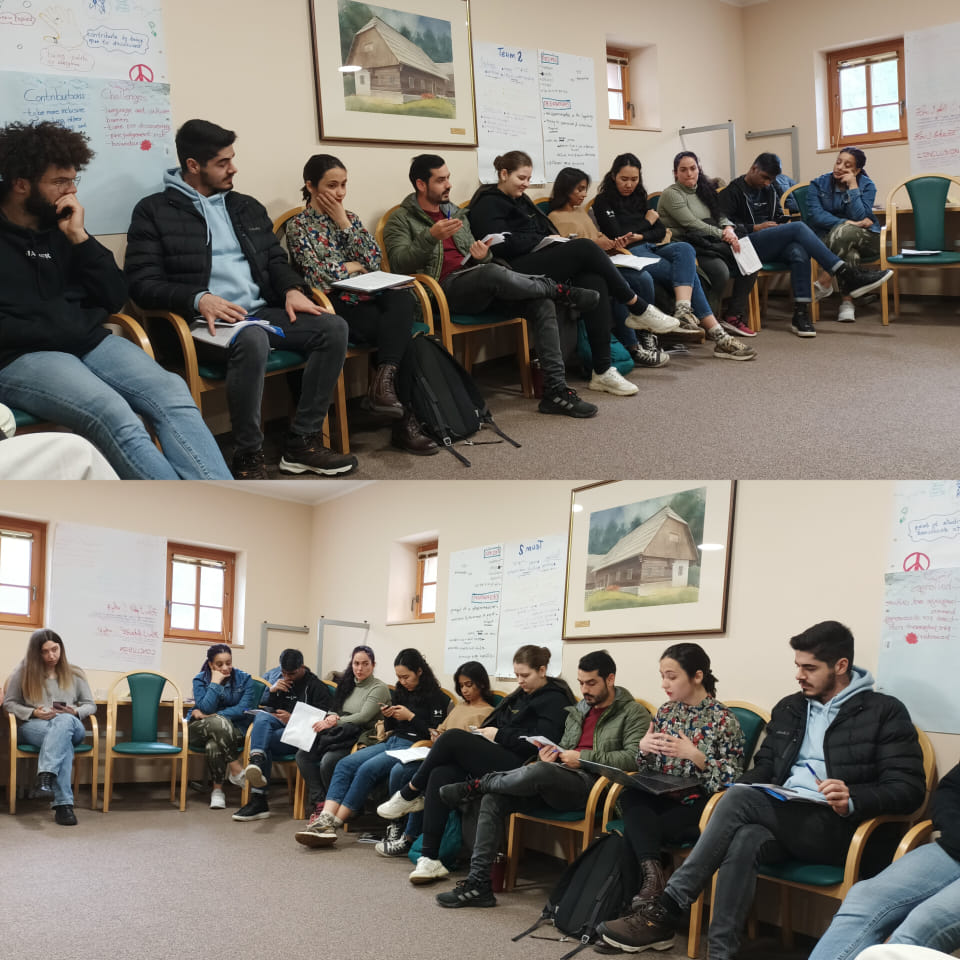
Within the framework of the international project “Mentoring Power in Integration”, which focuses on enhancing mentorship and identifying and preventing discriminatory practices, we conducted a series of workshops and activities. The goal was not only to deepen the understanding of intercultural differences and stereotypes but also to develop practical skills for working with vulnerable groups, especially migrants. Below is a summary of activities by day:
Day 1: Afternoon: Participants arrived and took part in various team-building activities and getting-to-know-you games, aimed at strengthening group dynamics and personal introductions.
Day 2: Morning: We introduced the program and trainers as well as the location with all logistical and practical advice. Participants were acquainted with the learning plan and methods of informal learning, including Youthpass and self-evaluation. We also explored the Erasmus+ program in detail. Afternoon: Group work included a role-play game titled “oppressed-oppressor” and presentations on the realities of the participants’ individual countries. The evening was dedicated to additional getting-to-know-you games.
Day 3: Morning and Afternoon: We focused on mentorship, introduced tools for self-directed learning, and discussed the importance of emotional and cultural intelligence. The evening was dedicated to presentations by non-governmental organizations.
Day 4: Activities included simulations and debates on mentorship, intercultural conflicts, and identifying social issues related to migrants. The evening was imbued with Slovenian culture.
Day 5: Morning: Participants delved into perception and stereotypes through games and simulations. Afternoon: We visited the asylum center in Vič, where we talked and socialized with migrants.
Day 6: The focus of the day was on the labor market, soft skills, rights, and democratic participation. We concluded the evening with stories from migrants.
Day 7: The penultimate day was dedicated to exploring employment options, self-employment, and social inclusiveness. In the afternoon, we focused on planning further steps and evaluating the training.
Day 8: The last day was devoted to final thoughts and preparation for departure.
Each activity was carefully designed to achieve specific goals, from strengthening mutual connections and understanding intercultural differences to developing concrete skills for working with migrants. The project offered a rich array of knowledge and experiences that will be of great help to the participants in their further work.